Opens in a new tab

About ECM

Working with Indigenous Communities

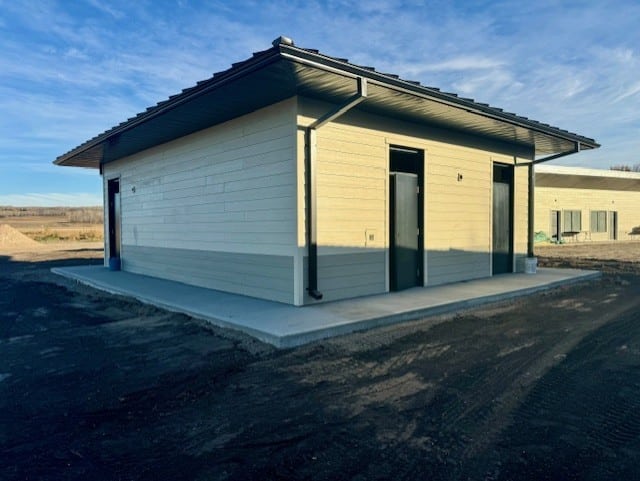
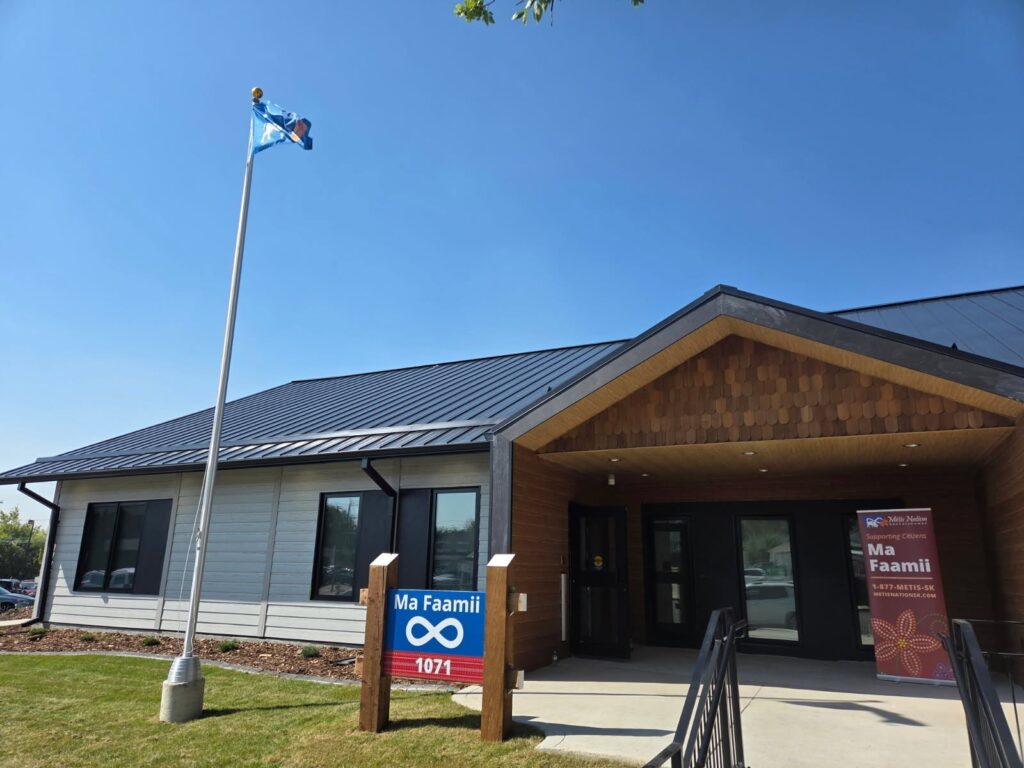
A large and growing share of ECM's work is for First Nations and Métis communities in Saskatchewan: daycares, schools, health centres and community buildings, often a long way from the nearest city.

Acknowledgement

ECM is based on Treaty 6 Territory and the Homeland of the Métis, and builds across Treaty territories throughout Saskatchewan. [tk: Erick to approve the wording]

How ECM works

Jobs, local business and respect for how a community works.

ECM's approach follows the Truth and Reconciliation Commission's Call to Action 92, which asks business to build respectful relationships with Indigenous peoples, give Indigenous people equitable access to jobs, training and education, and educate its own people. In practice, on ECM's projects:

  • Hiring from the community

    About half of ECM's site workforce is Indigenous [tk: how counted]. On First Nations projects, ECM hires from the community first [tk], and works with the Nation's employment office or band administration to find people [tk].

  • Training that carries on after the project

    ECM takes on apprentices and helps community members work toward trade tickets [tk], so the skills stay in the community after the building is finished.

  • Local and Indigenous-owned businesses

    ECM looks first to band-owned and local businesses for subcontracts, equipment, materials and accommodation [tk], and to Métis suppliers on Métis projects [tk].

  • One point of contact, and a community that knows what's happening

    Each project has one ECM contact for the Nation's leadership and staff [tk], and ECM keeps the community informed as the project goes, through regular meetings and updates [tk].

  • Respect for culture and protocol

    ECM builds the spaces that matter to the community, from Elder and culture rooms to a sweat lodge, and plans the work around ceremonies, community events and the requests of Elders [tk].

  • Learning, for ECM's own people

    ECM's managers and site staff take training in the history of Indigenous peoples in Canada, including residential schools, Treaties and Indigenous rights, and in working respectfully on a community's land [tk].

Truth and reconciliation

What reconciliation means on a job site.

Reconciliation is work, not a statement.

For a builder, it means paying fair wages to people from the community the building is for, leaving behind skills and businesses that last longer than the project, and treating the community as a partner in its own building, not a location on a drawing.

ECM won’t pretend it is easy. Keeping a community crew together over a long project takes effort from everyone, and ECM would rather say that plainly than promise more than it can deliver. What it does promise is to hire locally, train the people it hires, deal straight with the Nation’s leadership, and finish the building it was trusted with.

References from First Nations clients are available on request [tk].
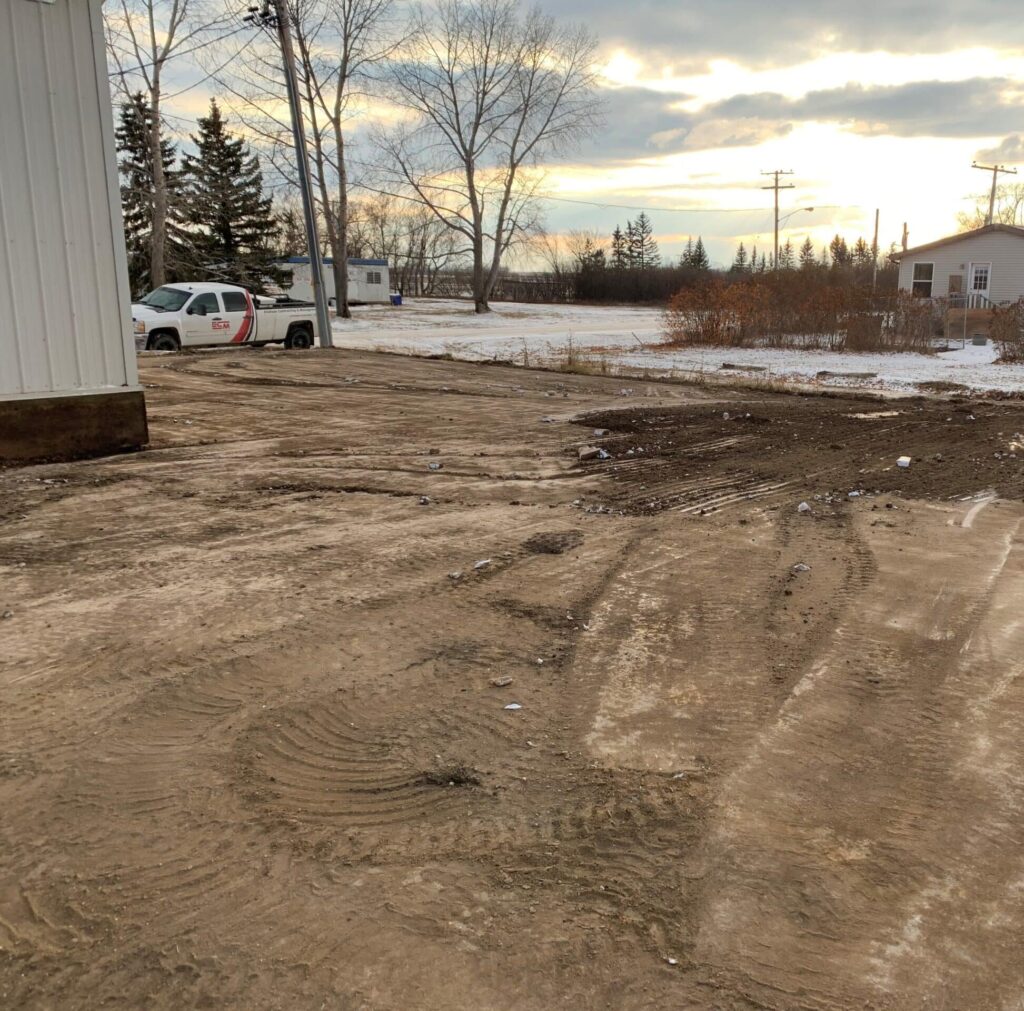
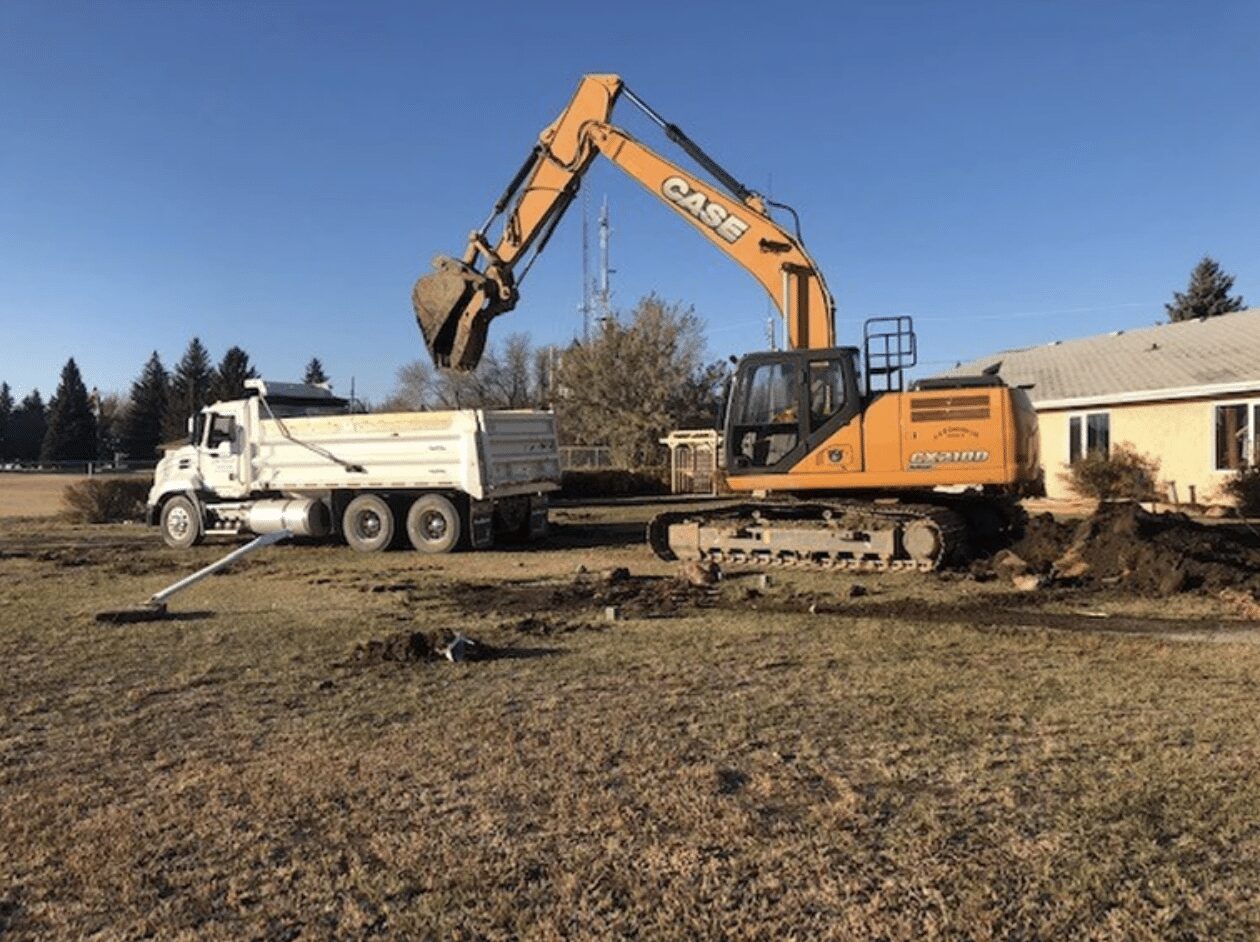
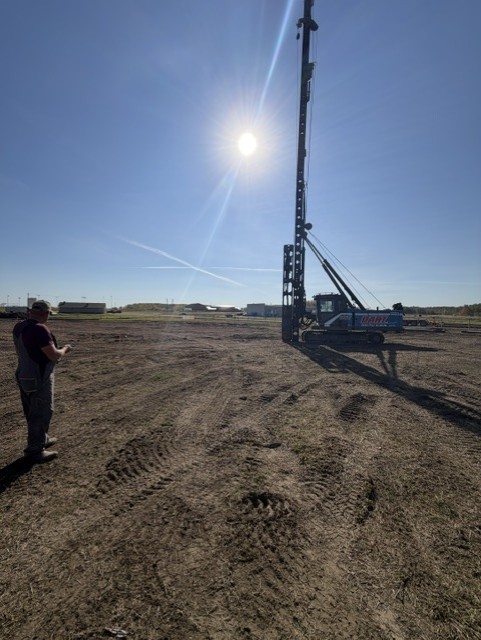
Excavator and dump truck on an open prairie site

Planning a project in your community?

Send the tender documents, a prequalification request or a first description of the building, or call 306-519-7569.